
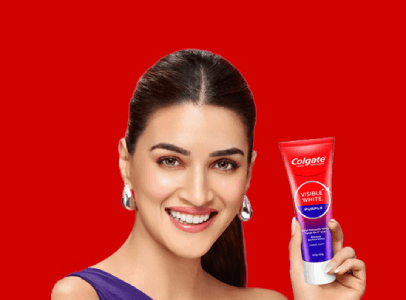


Brand Overview
- Make More Smiles
- Smile karo aur shuru ho jao
- Kya aapke toothpaste mein namak hai?
Market Context at Launch
When Colgate entered India:
- Oral hygiene habits were largely traditional — neem sticks (datun), charcoal, salt, and homemade powders were common.
- Toothpaste penetration was extremely low.
- Awareness of preventive dental care was limited.
- Modern retail formats were non-existent; distribution depended on general trade.
The challenge was not just selling a product — it was changing behaviour and building a category.
Marketing Mix (4Ps)
 Product Strategy
Colgate’s product strategy evolved in phases:
1. Category Creation Phase- Introduced toothpaste as a hygienic, scientific alternative to traditional methods.
- Focused on cavity prevention and freshness.
- Colgate Dental Cream (flagship)
- Colgate Gel (younger audience)
- Colgate Sensitive (premium segment)
- Colgate Total (multi-benefit protection)
- Colgate Active Salt (local taste preference adaptation)
- Herbal variants to counter Ayurvedic competition
- Toothbrushes
- Mouthwash
- Kids’ oral care
Colgate maintained a “laddered portfolio strategy” catering to mass, mid-premium, and premium consumers.
 Pricing Strategy
Colgate followed a penetration plus tiered pricing model:
- Affordable SKUs (small sachets, ₹10 packs) to drive rural and lower-income penetration.
- Mid-tier mainstream pricing for mass urban consumers.
- Premium pricing for specialised products (Sensitive, Total, Visible White).
The company used price pack architecture (PPA) smartly to:
- Maintain affordability.
- Drive trade-ups.
- Protect margins.
 Promotion Strategy
Colgate’s promotion strategy has been built around:
1. Dentist Authority Positioning- “India’s No. 1 recommended toothpaste by dentists.”
- School dental health programs.
- Free dental check-up camps.
- Mother-child narratives.
- Preventive care messaging.
- Emotional storytelling.
- Strong TV presence during Doordarshan era.
- High GRP strategy in the 1990s and 2000s.
- Regional language advertising.
- Van campaigns.
- Demonstrations in villages.
- School outreach programs.
- Social media awareness campaigns.
- Influencer marketing.
- Oral health education through content marketing.
Colgate balanced rational health messaging with emotional reassurance.
 Distribution Strategy
Colgate built one of the most extensive FMCG distribution networks in India:
- Deep penetration into general trade.
- Strong rural distribution.
- Modern trade presence.
- E-commerce partnerships (Amazon, Flipkart, quick commerce).
The company focused on:
- High availability.
- Strong retailer relationships.
- Efficient supply chain and inventory management.
Rural markets contributed significantly to volume growth.
Challenges & Response
- Herbal Wave Disruption
Challenge: Patanjali’s rapid rise claiming “chemical-free” positioning.
Response: Accelerated herbal launches, aggressive communication, trade push. - Rural Slowdown
Challenge: Consumption volatility in rural markets.
Response: Small pack strategy and rural activation. - Premium Segment Competition
Challenge: Sensodyne gaining in high-margin segment.
Response: Strengthened Colgate Sensitive portfolio. - Changing Media Consumption
Challenge: Declining TV impact among urban youth.
Response: Digital-first campaigns and influencer engagement.
Competitive Landscape
Colgate has faced intense competition:
1. Domestic & MNC Rivals- Hindustan Unilever (Pepsodent, Close-Up)
- Dabur (Red Toothpaste)
- Patanjali (Dant Kanti)
- Rise of “natural” products disrupted Colgate’s dominance.
- Patanjali significantly dented share in the mid-2010s.
- Sensodyne (GSK, now Haleon) in sensitive segment.
Despite this, Colgate maintained leadership by adapting quickly.
Innovations & Adaptation
Colgate demonstrated agility in:
- Launching Active Salt and Neem variants.
- Expanding into herbal positioning.
- Premiumization with Visible White and Charcoal variants.
- Investing in R&D and localised formulations.
The company balanced global technology with local insights — a critical success factor.
Consumer Perception & Cultural Connect
Colgate became synonymous with toothpaste in India — in many regions, “Colgate” is used generically for toothpaste.
Brand associations:
- Trustworthy
- Doctor-recommended
- Family-safe
- Scientifically advanced
Culturally, the brand successfully:
- Aligned with Indian family values.
- Integrated local ingredients (salt, neem).
- Addressed aspirational whitening trends.
Impact & Legacy
- Category leader for decades.
- Played a foundational role in increasing toothpaste penetration in India.
- Built one of the strongest healthcare-oriented FMCG brands.
- Helped formalise oral care habits across socio-economic classes.
Colgate is often cited as a classic example of category creation and sustained market leadership in India.
Key Learnings
- Category education can build long-term dominance.
- Deep distribution is a competitive moat.
- Local adaptation is critical in India.
- Brand trust built over decades is a powerful asset.
- Quick response to disruptive competitors is essential.
- Portfolio architecture protects market share across price tiers.
- Authority positioning (dentist-backed) builds credibility in healthcare categories.
Summary
Colgate’s journey in India reflects a masterclass in market development, distribution excellence, brand trust-building, and adaptive strategy. From introducing toothpaste to a largely traditional oral care market to defending its leadership against herbal and premium challengers, Colgate has demonstrated strategic resilience.
Its enduring success lies in combining:
- Scientific credibility,
- Deep consumer insight,
- Wide distribution,
- Local relevance,
- And consistent brand communication.
Colgate in India remains a benchmark case in FMCG strategy and brand longevity