


Brand Overview
- Think Different
- Shot on iPhone
- 1000 songs in your pocket
Market Entry and Context
Apple's early presence in India (mid-2000s) was limited and fragmented:
- India was a price-sensitive, feature-phone-led market
- Smartphones gained momentum only after 2010
- Distribution was via third-party resellers, with little brand control
- Import duties made Apple products significantly more expensive
The iPhone entered India around 2008, initially via telecom partnerships, but volumes remained low for nearly a decade. Apple's proposition-premium pricing, closed ecosystem-clashed with a market dominated by value-driven Android brands.
Marketing Mix (4Ps)
 Product Strategy
Apple's India product strategy evolved in phases:
Phase 1: Import-led premium play
- Flagship iPhones positioned as luxury/aspirational devices
- Minimal portfolio focus, limited localisation
Phase 2: Portfolio broadening
- Introduction of older iPhone models at lower price points
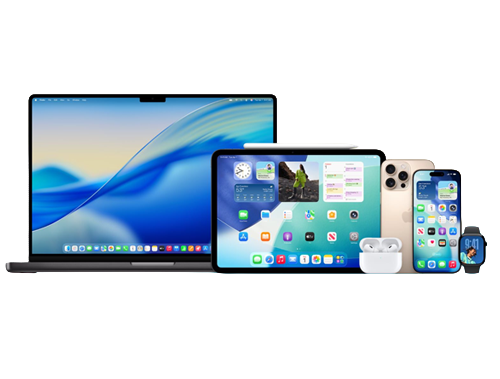
- Strong push on wearables (AirPods, Apple Watch)
- MacBooks gained traction among professionals and creators
Phase 3: India as a manufacturing base
- Local assembly of iPhones (SE, iPhone 12 onward)
- Improved pricing competitiveness and availability
Apple did not design India-specific products but sequenced global products to suit Indian affordability curves.
 Pricing Strategy
Pricing has been Apple's biggest constraint-and lever-in India:
- Historically high prices due to import duties
- Flagship-first pricing reinforced aspirational positioning
- Older models used as "entry points" to the ecosystem
Key shifts:
- Local manufacturing reduced prices by 10-15%
- Aggressive bank offers, EMI schemes, and festive discounts
- Strategic acceptance that India needs financing-led affordability, not outright price cuts
Apple never chased volume pricing; instead, it used time, financing, and status to bridge the affordability gap.
 Promotion Strategy
Apple's promotion in India has been restrained and brand-led:
- Limited mass-media advertising compared to rivals
- Heavy reliance on global campaigns ("Shot on iPhone")
- Strong use of earned media and launch buzz
Recent years saw:
- Greater digital and OOH presence in metros
- Retail-led storytelling post Apple Store launches
- Positioning Apple products as tools for creativity, productivity, and lifestyle-not specs
 Distribution Strategy
Distribution marks Apple's most significant India pivot:
Early years
- Authorised resellers, inconsistent experience
- Limited after-sales control
Strategic shift
- Expansion of Apple Premium Resellers
- Online Apple Store launch (2020)
Brand milestone
- Opening of Apple BKC (Mumbai) and Apple Saket (Delhi) in 2023
These stores became brand flagships, not just retail outlets.
Apple also strengthened:
- Service infrastructure
- Enterprise and education channels
- E-commerce partnerships while retaining tight control
Challenges and Response
| Challenge | Response |
| High price sensitivity | Local manufacturing, EMI-heavy sales |
| Android dominance | Focus on premium and ecosystem lock-in |
| Regulatory pressure | Compliance with local sourcing norms |
| Weak retail control (early years) | Direct-to-consumer retail stores |
| Scale vs exclusivity tension | Gradual, controlled expansion |
Apple avoided short-term fixes, choosing long-term structural solutions.
Competitive Landscape
Apple competes in a fiercely competitive market dominated by:
- Samsung (premium Android rival)
- Chinese brands (Xiaomi, Vivo, Oppo) driving volume
- OnePlus as a "premium value" challenger
Despite low market share by volume, Apple dominates:
- Premium (>₹60,000) smartphone segment
- Profit share of the smartphone market
- Mindshare among affluent, urban consumers
Apple competes on ecosystem, trust, and aspiration, not features.
Related Case Studies
Innovations & Adaptation
Apple's key adaptations for India include:
- Local manufacturing (Foxconn, Tata, Pegatron ecosystem)
- India as an export hub for global iPhone supply
- Financing and trade-in programs
- Retail localisation (Today at Apple sessions, Indian creatives)
Strategically, Apple reframed India from:
"Difficult consumer market" → "Strategic growth + supply chain hub."
Consumer Perception & Cultural Connect
Apple in India is perceived as:
- Aspirational and premium
- A marker of professional and social success
- Reliable, secure, and long-lasting
Culturally:
- iPhones are often "milestone purchases"
- Strong appeal among creators, entrepreneurs, and young professionals
- Apple Stores have become lifestyle and learning destinations
Unlike mass brands, Apple's cultural impact is depth-driven, not breadth-driven.
Impact and Legacy
Apple's India legacy includes:
- Normalising premium technology consumption
- Raising expectations on design, privacy, and experience
- Creating a high-value manufacturing ecosystem
- Shifting India's role in global tech supply chains
Apple helped redefine what "premium" means in Indian consumer tech.
Key Learnings
- Brand patience can outperform aggressive localisation
- Premium positioning can work in price-sensitive markets-with financing
- Ecosystem strength matters more than specs
- Retail experience is critical to brand storytelling
- India rewards consistency and long-term commitment
Summary
Apple’s journey in India is not a story of rapid scale, but of strategic persistence. By staying true to its premium DNA while gradually adapting pricing, manufacturing, and retail, Apple has turned India into both a high-growth consumer market and a critical node in its global operations. The brand’s success in India underscores a powerful lesson: in emerging markets, aspiration plus trust can be as potent as affordability.