


Brand Overview
- Let There Be Sport
- Go Wild
- Hadd Paar Kar Di
Market Entry and Context
Puma entered India in 2006–07 through a licensing and distribution arrangement, during a phase when:
- Sportswear was largely functional and performance-led
- Nike and Adidas dominated mindshare
- “Athleisure” as a concept barely existed
- Youth fashion was fragmented between global brands and local casual wear
India was not yet a sports-driven apparel market. Puma recognised early that sport alone would limit scale, and that India required a broader lifestyle-led interpretation.
Marketing Mix (4Ps)
 Product Strategy
Puma’s India product strategy pivoted decisively toward sports-inspired lifestyle wear.
Key elements:
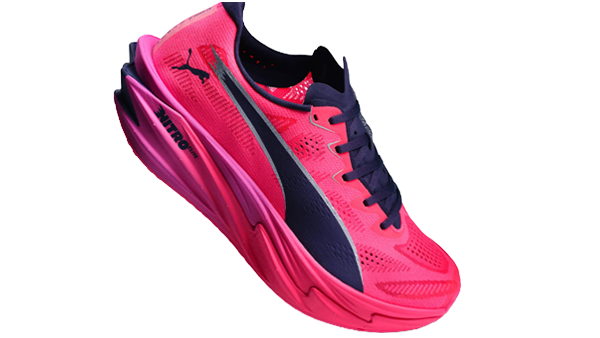
- Strong focus on sneakers and casual footwear
- Apparel designed as everyday wear, not just for training
- Global designs adapted for Indian colour, fit, and climate preferences
- Collaborations and limited editions to drive desirability
Puma consciously de-emphasised hardcore performance categories in favour of mass-appeal athleisure, which proved critical to growth.
 Pricing Strategy
Puma adopted an accessible premium pricing approach:
- Cheaper than Nike and often competitive with Adidas
- Wide pricing ladder—from entry-level sneakers to premium collaborations
- Aggressive discounting during online sale events
This made Puma:
- Aspirational but attainable
- Popular among first-time branded sportswear buyers
- Highly visible during festival and e-commerce sale periods
 Promotion Strategy
Promotion has been Puma’s strongest lever in India.
Key pillars:
- Celebrity endorsements across sports, film, and youth culture
- Heavy use of cricket, football, and Bollywood
- Shift from athlete-only ambassadors to pop-culture icons
Campaigns focused on:
- Individuality
- Hustle and ambition
- Street confidence
Puma’s marketing made the brand feel young, loud, and contemporary, sharply differentiating it from more performance-serious rivals.
 Distribution Strategy
Puma followed an omnichannel-first strategy early in India.
Distribution highlights:
- Strong presence on Myntra, Amazon, Flipkart
- Brand-owned exclusive brand outlets (EBOs) in metros and Tier 1 cities
- Shop-in-shop formats in large multi-brand stores
- Rapid online-led scale before heavy offline expansion
This digital-forward approach allowed Puma to grow quickly with lower fixed costs.
Challenges and Response
| Challenge | Response |
| Intense discount-led competition | Tighter control on brand storytelling |
| Dependence on e-commerce marketplaces | Selective premium collaborations |
| Blurring line between fashion and sports credibility | Expanding women’s and youth categories |
| Entry of aggressive Indian sneaker brands | Strengthening offline brand experience |
Puma balanced scale with cool, a difficult but critical act..
Competitive Landscape
Puma competes with:
- Adidas India (performance + lifestyle)
- Nike (now exited DTC India retail)
- Indian athleisure brands (HRX, Campus, Red Tape)
- Fashion-first sneaker brands
Puma carved out a clear space as the most fashion-forward of the big sports brands.
Related Case Studies
Innovations & Adaptation
Puma’s innovation in India has been cultural rather than technical.
Key adaptations:
- India-specific product drops
- Faster trend cycles aligned with fashion seasons
- Collaborations with Indian celebrities and designers
- Strong social media storytelling
Operationally, Puma adapted to:
- High discount culture
- Online-led discovery
- Youth-driven sneaker obsession
Consumer Perception & Cultural Connect
Puma is perceived as:
- Trendy and youthful
- Stylish rather than serious
- Strongly associated with sneakers and streetwear
- A brand for “everyday winners”, not elite athletes
Culturally, Puma:
- Rode the athleisure wave early
- Became part of college, office-casual, and social dressing
- Connected sportswear to pop culture rather than competition
This made Puma emotionally closer to urban Indian youth.
Impact and Legacy
Puma’s impact in India includes:
- Helping mainstream athleisure as daily wear
- Proving that sports brands can be lifestyle brands
- Demonstrating the power of celebrity-driven storytelling
- Influencing how global brands localise culturally, not just operationally
It has built one of the strongest brand equities among under-35 consumers.
Key Learnings
- Cultural relevance can matter more than technical superiority
- Pricing flexibility is essential in India
- Athleisure is a gateway to scale in sportswear
- E-commerce can build brands, not just volume
- Youth culture moves faster than traditional sports marketing
Summary
Puma’s journey in India is a case study in strategic repositioning. By shifting from a pure sports brand to a fashion-forward athleisure player, it unlocked relevance, scale, and cultural resonance in a difficult market.
Puma shows that in India, winning the wardrobe often matters more than winning the race.